Memoir Writing for Women Entrepreneurs: Build Authority Through Your Story
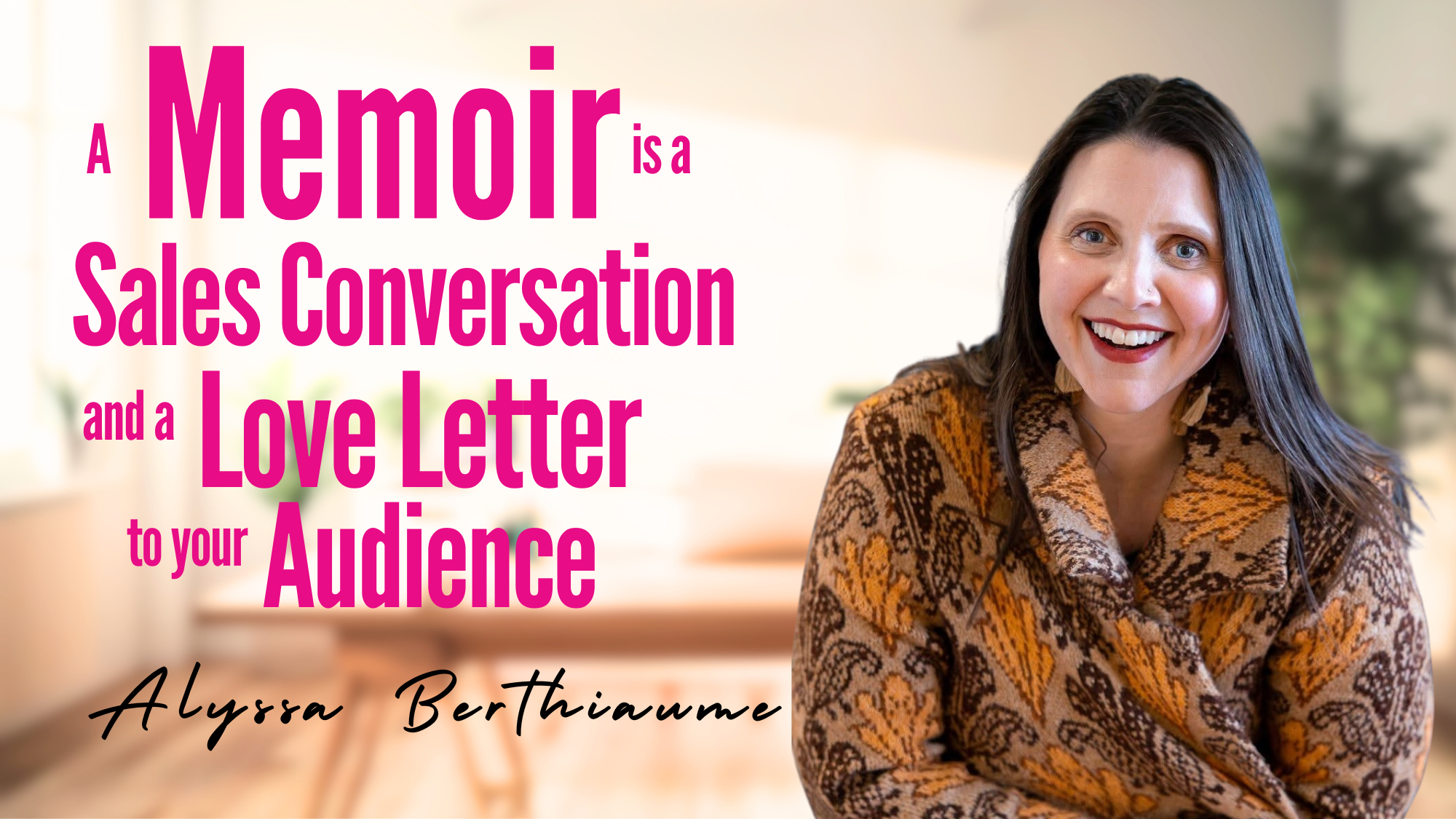
“ Memoir - a sales conversation and a love letter to your ideal audience rolled into one.”
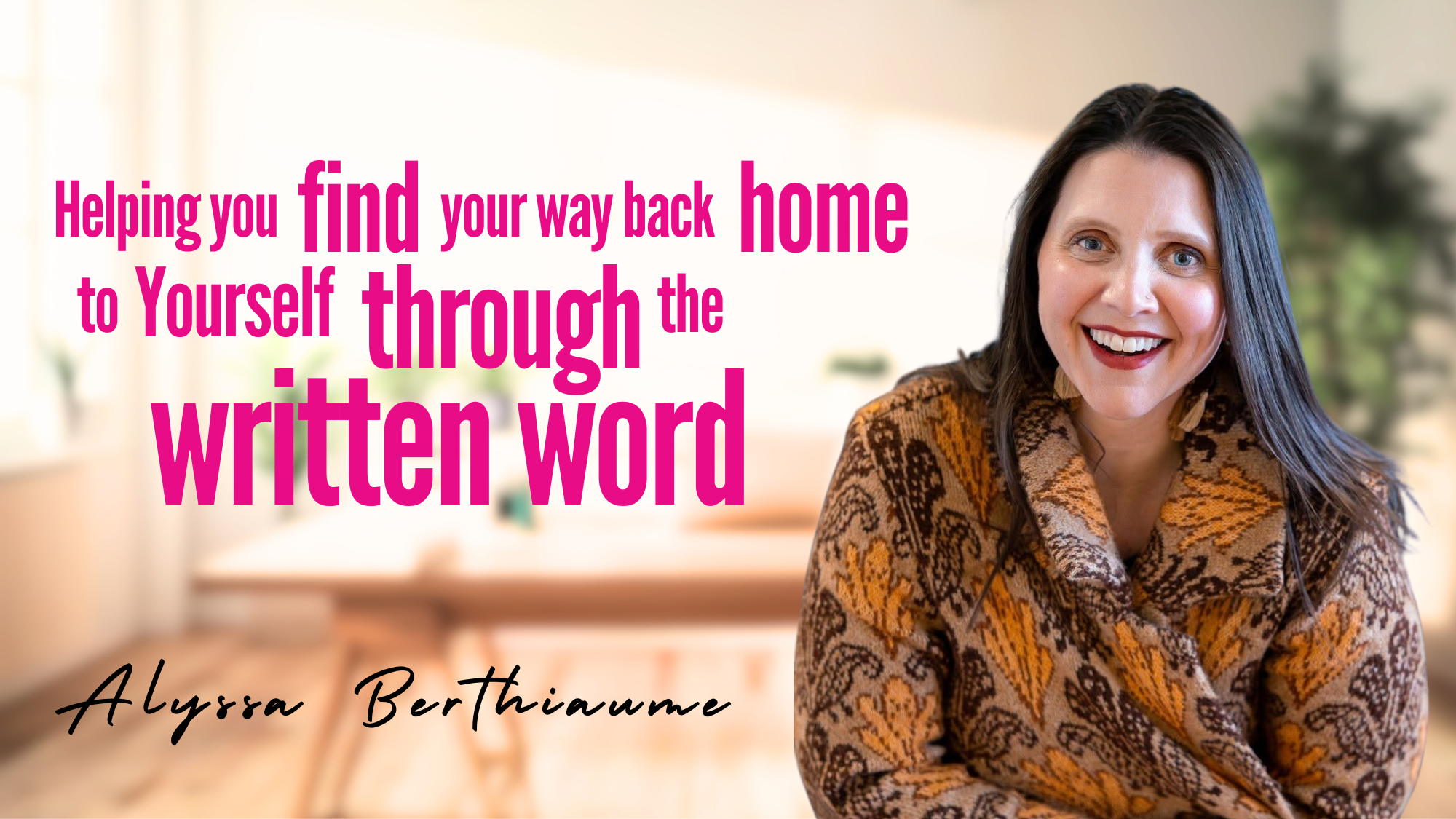
Alyssa Berthiaume | The Memoir Coach and Founder of The Write Place, Right Time
The Power of Your Voice Is Your Business
There's a conversation happening right now across the women entrepreneur community—one I'm deeply invested in—about what actually moves the needle in business. And I'm not talking about follow counts or conversion metrics alone. I'm talking about trust.
When I sat down recently with Alyssa Berthiaume, a memoir coach who specializes in helping women entrepreneurs weaponize their stories for business impact, something became crystallinely clear: the women who are going to build the most meaningful, profitable, sustainable businesses aren't the ones hiding behind polished facades. They're the ones brave enough to say, "This is who I am. This is what I've been through. And here's why it matters to you."
This is the space where I live as a business mentor. This intersection of authentic storytelling and strategic business growth. And after our conversation, I want to share with you why your story isn't just nice to have—it's non-negotiable for your business authority.
The Deeper Work Behind the Book
Here's something Alyssa said that stopped me in my tracks: "The book or the final product is like just that. It's a byproduct of much deeper work."
Think about that for a moment.
Most women entrepreneurs approach memoir or business writing as a checkbox. Get a book. Establish authority. Boom. But what Alyssa understands—and what I've seen transform my coaching clients—is that the real work isn't about the book at all. The book is the evidence. The residue. The proof that you've done the inner work.
The actual transformation happens when you're reclaiming your voice, your narrative, your authority. When you stop apologizing for the hard things you've been through and start framing them as the foundation of your expertise.
Alyssa describes this as "coming back home to yourself through the written word." And here's why that matters to your business: People don't buy expertise. They buy people. They buy the human being who has walked through something real and emerged wiser on the other side.
Memoir: A Sales Conversation + A Love Letter
One of the most profound distinctions I heard from Alyssa came when she explained the difference between memoir and traditional thought leadership books. She said a memoir is essentially "a sales conversation and a love letter to your ideal audience rolled into one."
Let that land.
Think about the last time a business owner genuinely moved you. Not impressed you with their credentials—actually moved you. I'm willing to bet they were vulnerable. They shared something real. They didn't just tell you about their methodology; they showed you how they came to discover it. They told you about the moment that broke them open, which is actually the moment they became the expert.
Here's the business case for memoir over the traditional thought leadership book:
One: The market is saturated with business books. Memoir has less noise. When your memoir hits the shelves alongside 47 productivity books and 23 leadership frameworks, you stand out because you're the only one offering you.
Two: Authenticity is the ultimate no-like-and-trust factor. In an era where we're oversaturated with AI-generated content, courses, and coaches, people want to buy from real humans. A memoir is the purest expression of humanness you can offer in written form. You're essentially saying, "Here's everything. I held nothing back. Trust me."
Three: One memoir becomes a thousand pieces of content. Alyssa was clear on this—once you've lived your story and written it down, you have an endless well of material for your marketing strategy, your social content, your speaking engagements, your coaching conversations. The return on investment in terms of content creation alone justifies the effort.
Understanding the Publishing Landscape for Memoir
One of the questions I hear most from women entrepreneurs is: "Okay, I'm ready to write my memoir. Now what?" The answer isn't as simple as it is with traditional business books—and honestly, that's both a challenge and an opportunity.
Alyssa explained that memoir is notoriously difficult to publish through traditional publishing houses. Why? Because publishers look at memoir through a different lens than business books. They want compelling narratives, significant platforms, or both. For most women entrepreneurs, traditional publishing isn't the realistic path—but here's what most people don't realize: that might actually be better for your business.
Here's the landscape:
Traditional Publishing has high barriers but incredible prestige. However, the process takes 18-24 months, publishers take a significant percentage, and they control your release timeline. Most memoirs never make it through acquisition.
Hybrid Publishing (the sweet spot for entrepreneurs) gives you control, quality output, and faster timelines (6-12 months). You invest in your book, but you own it completely. This is increasingly where the most successful women entrepreneurs are going.
Self-Publishing offers complete control and immediate publication, but you're responsible for editing, design, and marketing. Many entrepreneurs choose this path after building their platform.
For women entrepreneurs specifically, hybrid or self-publishing often makes more business sense. Why? Because your goal isn't to become a bestselling author—it's to use your memoir as a business positioning tool. You don't need a major publisher for that. You need quality, authenticity, and your story in the world.
Alyssa emphasized something important: "Lots of people get it wrong and they write bad memoirs and then they don't know what to do with them. I don't want that for any of you because your story matters."
Authenticity Isn't Soft—It's Your Unfair Advantage
In the business world, we've been taught that authority comes from credentials, from expertise, from knowing more. And while knowledge matters, what I'm seeing now in 2026 is that the women winning the business game are the ones who know themselves.
The data backs this up. According to recent research, 86% of consumers say authenticity is important when deciding which brands to support. For women entrepreneurs specifically, vulnerability in your messaging increases perceived trustworthiness by 73% compared to traditional, polished marketing. When a woman entrepreneur has done her inner work—when she's done the deeper work that the memoir catalyzes—she shows up differently. More grounded. More confident. More magnetic.
And yes, more trustworthy.
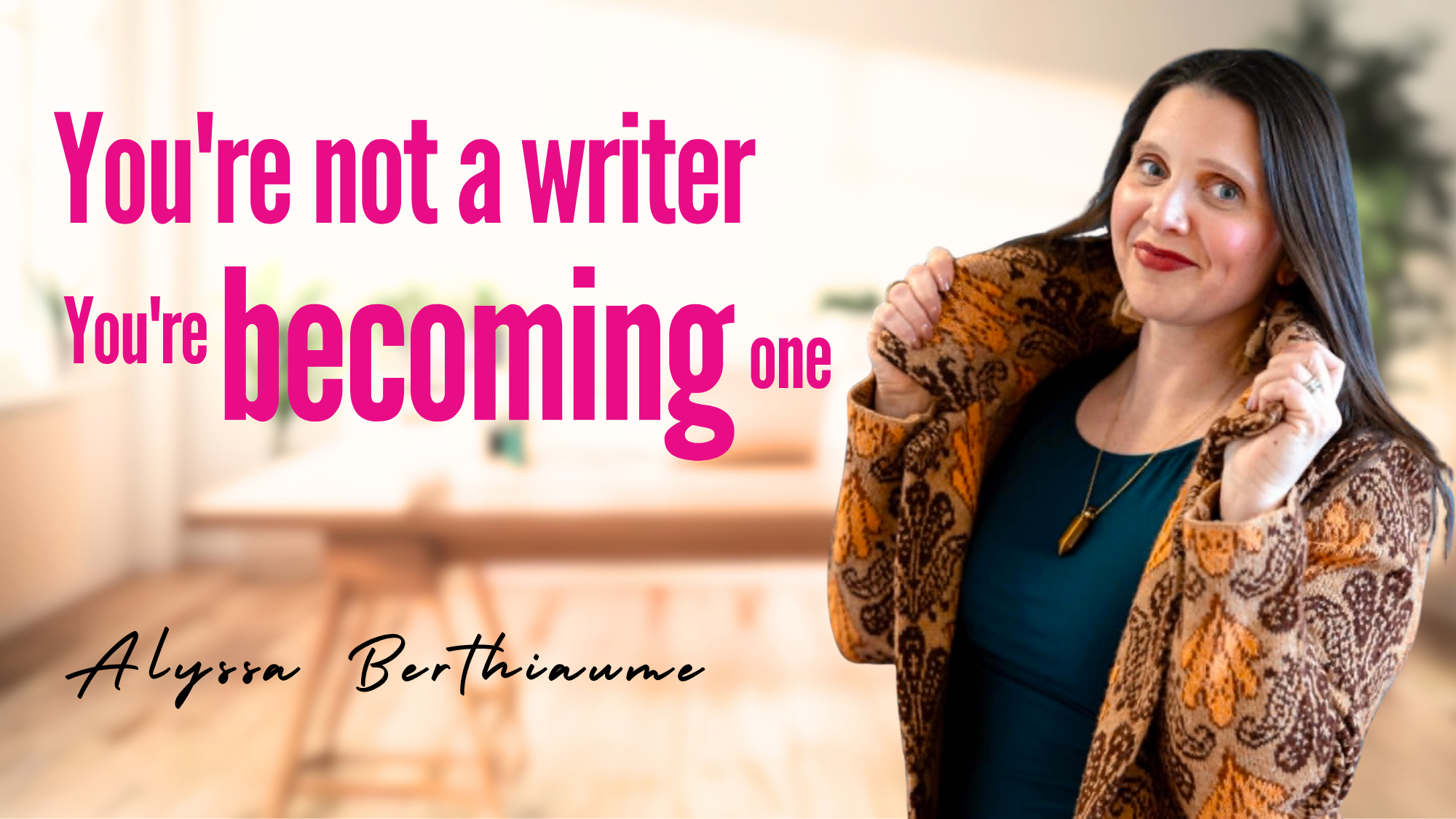
Alyssa told me something that's become a guiding principle for how I mentor: "You don't have to be a writer right now. You just have to become one and be willing to do it." She was talking about the mechanics of writing, but it applies to everything in business. You don't have to have it all figured out. You just have to be willing to grow into the person who can figure it out.
That willingness—that vulnerability wrapped in commitment—is what builds real authority.
The Block That Stops Women: It's Not What You Think
When I asked Alyssa about the biggest barriers women face when considering memoir, she didn't hesitate. The concerns are real: What's too much? What stays sacred? Who cares about my story? Will my family be upset? What if people judge me? What if it affects my future relationships or professional reputation?
But here's what I've seen in my mentoring practice with women entrepreneurs: these concerns are often just the surface level of the block.
The deeper block is this: We haven't actually claimed ourselves as the heroes of our own stories.
For years, we've been taught to play small, to make space for others, to position ourselves as supporting characters in someone else's narrative. The idea of centering our own experience, our own journey, our own hard-won wisdom? That can feel uncomfortable. That can feel... selfish.
But it's not.
Your story—the parts of it you're hesitating to share—is probably the exact thing your ideal client needs to hear. The miscarriage you haven't talked about publicly. The failed promotion that broke something in you and healed something else. The divorce. The moment you hit rock bottom. These aren't liabilities. They're your credentials.
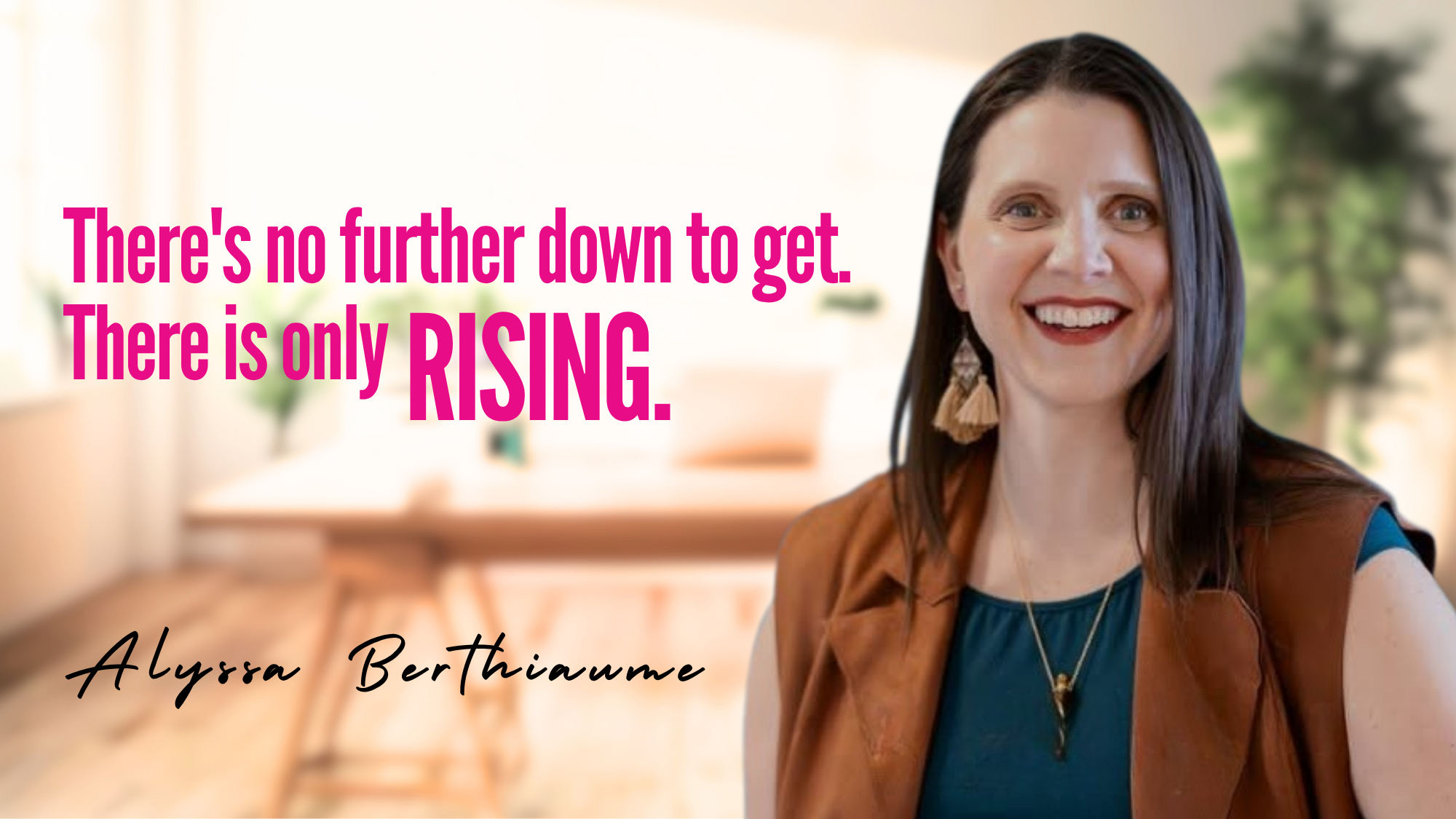
Alyssa walked away from a stable job where everything looked right on paper—the marriage, the house, the dog, the career trajectory—only to experience a perfect storm of loss: miscarriage, separation, divorce, a failed promotion. In her own words, "It was like my Phoenix rising from the ashes kind of moment. I realized there was no further down to get. There was only rising."
That's the story that changed everything for her. That's the story that makes her unstoppable as a memoir coach now. Because she doesn't just teach the craft; she's lived the transformation.
Real Examples: How Memoir Translates to Revenue
You might be wondering: "Okay, this is beautiful. But does it actually work for business?"
Yes. Let me show you how.
When a woman entrepreneur writes her genuine memoir and positions it strategically, several things start to happen simultaneously:
First, she becomes magnetic to her ideal client. Why? Because the client recognizes themselves in her story. They see the version of themselves she used to be—scared, uncertain, stuck—and they see what's possible through working with her.
Second, her content multiply. One memoir chapter becomes five LinkedIn posts. One story becomes a podcast episode. Another becomes an email sequence. Suddenly, she has months of content planned without additional writing.
Third, she attracts speaking opportunities. Conference organizers, podcast hosts, and event planners are hungry for women with real stories to tell. Not another productivity hack—an actual story. Alyssa mentioned something important: the speakers she was inspired by weren't just teaching; they were sharing how they came to their expertise. That's what people remember. That's what sells.
Fourth, her expertise becomes undeniable. She's no longer claiming authority—she's demonstrating it through her lived experience. Her clients aren't just paying for her methodology; they're paying for the credibility that comes from someone who's walked through something real.
This is the compound effect of memoir-as-business-strategy.
The Gateway to Your Ideal Client
Here's the bottom line, and why I'm so passionate about getting women entrepreneurs to embrace their stories:
Your memoir isn't a vanity project. It's not an ego play. It's a business strategy disguised as personal writing.
When you share your real story, you create an immediate filter for your ideal client. The wrong people self-select out. The right people—the ones who see themselves in your journey, who resonate with your values, who are desperate to work with someone who's been in the arena—they move toward you.
That's what I see over and over again in my mentoring practice. The women who are winning aren't the ones with the most polished personal brands. They're the ones who've had the courage to tell the truth.
Your Words Have Power—So Choose Them Carefully
Alyssa left me with something I'm going to remember forever: "Your words are power. What you say to yourself, power. What you say to others, power. Words are power and they have the power to go either way. So you get to control which way they go."
This is why memoir matters. This is why your story matters. This is why I do what I do as a business mentor for women entrepreneurs.
Because when you claim your story—when you stop hiding parts of yourself and start leveraging all of who you are—you're not just building a better business. You're building a better world. You're showing other women what's possible. You're giving permission. You're creating a ripple.
The women who are going to save the world—and I believe women are here to do that—aren't the ones playing it safe. They're the ones who've looked at their deepest wounds and said, "What if this was actually my superpower?"
If you're ready to do that work, if you're ready to truly claim your authority and your voice in your business, I have something for you.
The Invitation
If this conversation has sparked something for you—if you're thinking about your story, about your memoir, about how your lived experience is actually the foundation of everything you offer—then reach out to Alyssa Berthiaume.
She offers what she calls a "Story Stroll"—a free 30-minute conversation where you can explore your story without any pressure. No sales pitch. Just a human who's done it, who's helped others do it, and who can answer your pressing questions straight.
You can find Alyssa at https://thewriteplacerighttime.com/ or reach out in our community and mention Story Stroll. She'll find you.
And as always, if you're looking to position yourself as the authority in your space—if you want to build a business rooted in your authentic story and your real expertise—that's exactly what I'm here for.
Your voice matters. Your story matters. Your words have power.
Let's use them wisely.
Watch the Full Interview
Alyssa Berthiaume, The Memoir Coach and Founder of The Write Place, Right Time
Follow her on Facebook | LinkedIn | Visit her website
Listen on Your Favorite App
 |  |  |  |  |
|---|